Counterfeit alcohol has become a serious issue in the Philippines. Popular brands like Johnnie Walker, Jack Daniel’s, Macallan, Chivas Regal, and Absolut are frequently targeted by counterfeiters, putting customers at risk of wasting money — or worse, consuming unsafe alcohol.
Fake liquor is often sold through suspicious online sellers, unofficial distributors, and extremely low-priced listings that appear “too good to be true.” Some counterfeit bottles are carefully refilled and repackaged, making them difficult to identify at first glance.
In this guide, you’ll learn the most common warning signs of fake liquor, how counterfeiters operate, and how to protect yourself by purchasing only from trusted liquor sellers.
Why Fake Liquor is Common in the Philippines?
Counterfeit liquor can enter the market through illegal imports, bottle refilling operations, or fake packaging suppliers. Some scammers collect empty premium bottles from bars, restaurants, and hotels, then refill them with cheaper alcohol and reseal the bottle to imitate authentic products.
Online marketplaces and social media pages are also commonly used to sell suspiciously cheap liquor. While some fake products look convincing in photos, closer inspection often reveals problems with the seal, label quality, serial numbers, or packaging details.
Because premium whisky and imported liquor are heavily taxed and imported through authorized distributors, authentic bottles cannot realistically be sold at extremely low prices.
Key Signs of Fake Liquor
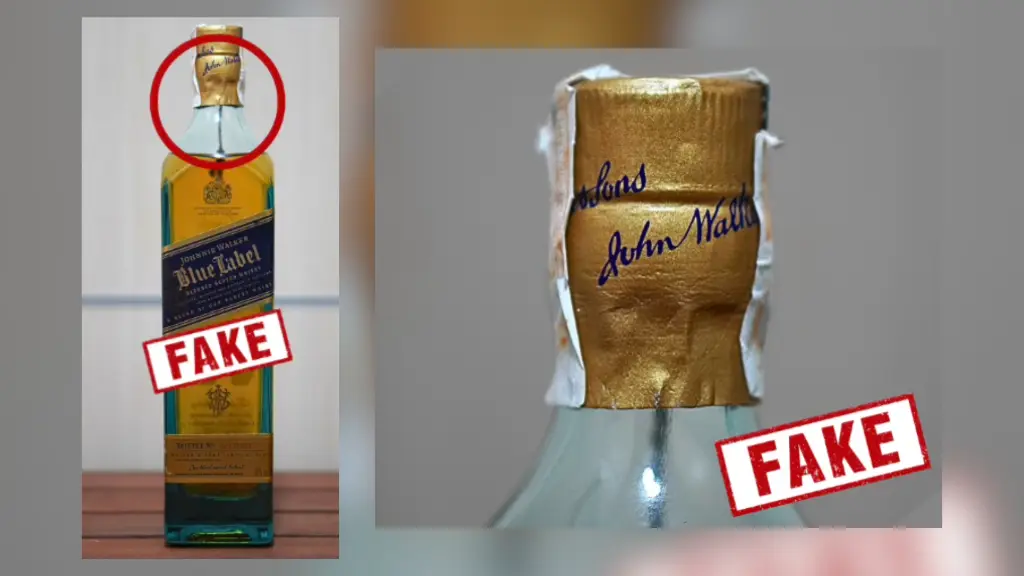
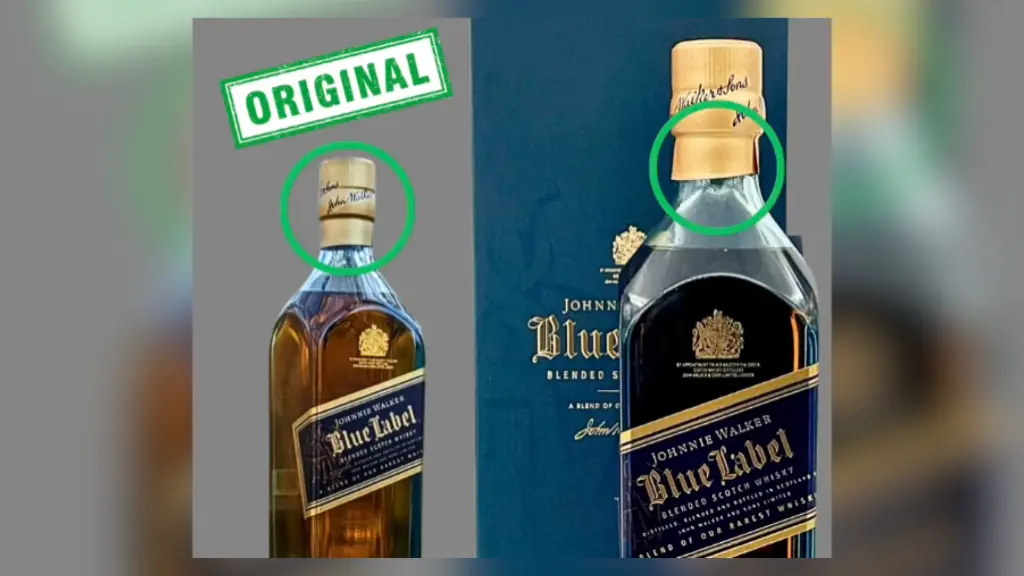
1. Check the Seal and Cork
One of the easiest ways to identify counterfeit liquor is by examining the bottle seal carefully.
Watch for:
- Loose or wobbly corks
- Poorly glued caps
- Wrinkled foil seals
- Torn or reused bottle wrapping
- Crooked sealing lines
If the cork moves too easily or the cap looks previously opened, the bottle may have been tampered with.
2. Examine the Labels and Packaging
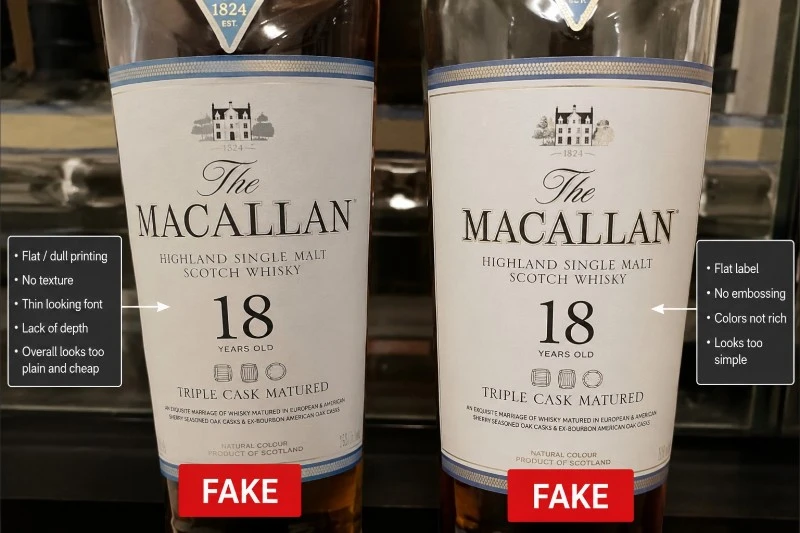
Authentic premium liquor brands maintain very high printing quality.
Signs of fake packaging include:
- Blurry printing
- Uneven fonts
- Incorrect spacing
- Washed-out gold or silver colors
- Cheap paper texture
- Missing serial numbers
- Crooked labels
Premium brands like Johnnie Walker and Macallan use sharp, high-quality printing with embossed details and clean finishing.
3. Verify Serial Numbers and Codes
Many authentic imported liquor bottles contain:
- QR codes
- laser codes
- serial numbers
- import stickers
- tax markings
If these markings appear blurry, duplicated, scratched off, or inconsistent with the packaging, the product may be fake.
Always compare the bottle details carefully with official product photos whenever possible.
4. Be Careful with Unrealistic Prices
If a seller claims to offer imported whisky at dramatically lower prices than official stores, be cautious.
Premium imported liquor cannot legally bypass:
- import duties
- excise taxes
- distributor costs
- shipping expenses
If the price feels impossibly cheap, there is usually a reason.
A “discount” that seems too good to be true often indicates counterfeit or illegally sourced alcohol.
Health Risks of Counterfeit Alcohol
Fake liquor is not only a financial risk — it can also be dangerous to your health.
Counterfeit alcohol may contain:
- low-quality industrial alcohol
- unsafe chemical mixtures
- excessive contaminants
- improperly stored liquids
In severe cases, counterfeit alcohol can cause:
- nausea
- headaches
- poisoning
- vision problems
- serious long-term health complications
This is why buying from trusted liquor sellers is extremely important.
Why Fake Liquor Can Sometimes Appear Even in Legit Liquor Stores
Counterfeit alcohol is not always sold intentionally by scammers.
In some cases, smaller liquor stores may unknowingly purchase fake alcohol from unreliable suppliers or distributors. Because the alcohol market is complex, store owners without strong product knowledge may not immediately recognize counterfeit bottles, especially when fake packaging looks convincing.
This means that even businesses trying to operate legally can sometimes end up selling counterfeit products without realizing it.
That’s why it’s important to buy from liquor stores that are genuinely familiar with the alcohol market, imported brands, packaging details, and product authenticity standards.
Experienced liquor sellers usually pay close attention to:
- supplier credibility,
- packaging consistency,
- seal quality,
- serial numbers,
- importation processes,
- and brand-specific details.
The more knowledgeable a liquor store is about the products they sell, the lower the risk of counterfeit alcohol entering their inventory.
How to Buy Authentic Liquor Safely
To reduce the risk of counterfeit alcohol:
- Buy only from reputable liquor stores
- Avoid suspiciously cheap online listings
- Inspect seals and labels carefully
- Compare packaging with official product images
- Ask questions about sourcing and authenticity
Trusted sellers should confidently provide information about product authenticity and sourcing.
Frequently Asked Questions About Fake Liquor
Is fake liquor dangerous?
Yes. Counterfeit alcohol may contain harmful chemicals or low-grade alcohol that can pose serious health risks.
How do I check if liquor is authentic?
Inspect the seal, label quality, serial numbers, bottle finish, and packaging carefully. Poor printing and loose seals are common warning signs.
Where can I buy authentic liquor in the Philippines?
Always purchase from verified and trusted liquor sellers that guarantee product authenticity.
Conclusion
Counterfeit liquor remains a growing problem in the Philippines, especially with premium imported brands. Knowing how to inspect bottle seals, packaging, labels, and pricing can help protect you from fake alcohol and unsafe products.
When purchasing imported whisky, wine, tequila, gin, or cognac, always prioritize authenticity over extremely low prices.
Stay safe, buy responsibly, and choose trusted liquor sellers that value quality and authenticity.
